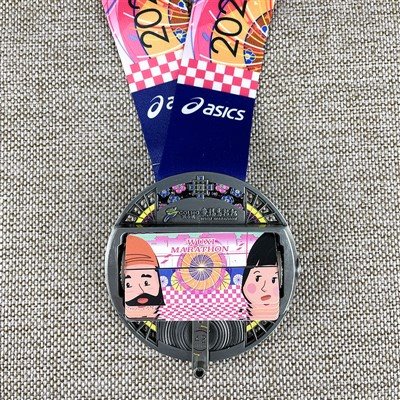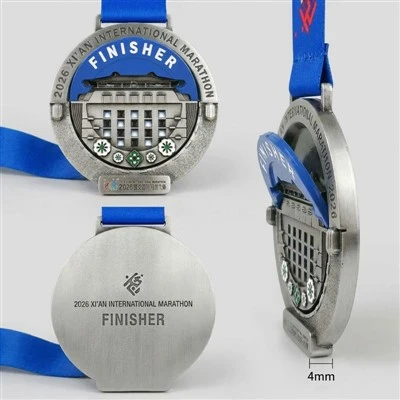
When commissioning custom medals, clients typically need to provide the manufacturer with basic information and production requirements to ensure a smooth design and manufacturing process. This information helps the manufacturer accurately understand the medal's intended use and formulate a design proposal and production plan that meet all specifications.
Basic information regarding the medal must be provided, including the occasion, the name of the award, the intended recipients, the production quantity, and the delivery deadline. For instance, whether the medal is for a sports competition, corporate recognition, a school event, or a commemorative occasion will influence the design style and production requirements.
Design-related materials are also required. If a design plan already exists, clients can submit design drafts, renderings, or reference images. If a complete design is not yet available, clients can provide elements such as event logos, corporate emblems, thematic motifs, and text content, allowing designers to create a concept based on these requirements.
Textual information to be featured on the medal is a crucial part of the customization process; this includes the award title, event name, year, award tier, serial numbers, and so on. Providing accurate text helps prevent errors after production and ensures the medal effectively conveys its intended commemorative significance.
Specifications and craftsmanship requirements-such as size, shape, material, color, and surface finish-must also be determined. Common material choices include zinc alloy, iron, copper, and stainless steel, while popular finishing techniques include electroplating, soft enamel, relief molding, and laser engraving. If a client is unfamiliar with materials or techniques, the manufacturer can offer recommendations based on the budget and intended use.
Any specific requirements regarding packaging and accessories should also be stated upfront-for example, whether custom presentation boxes, velvet pouches, lanyards, or certificates are needed. Thorough preparation of this information improves communication efficiency and ensures the final product aligns closely with expectations.