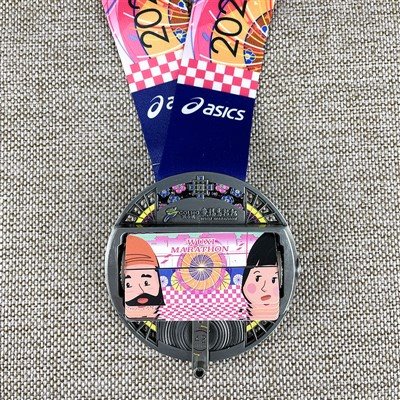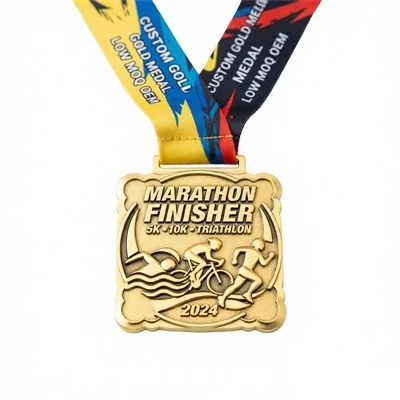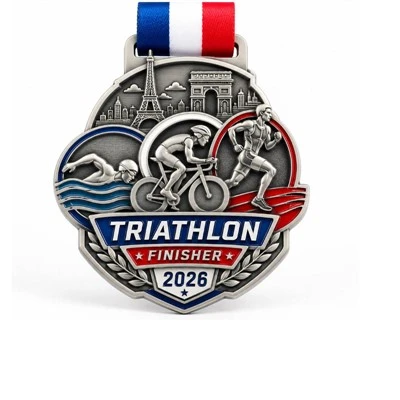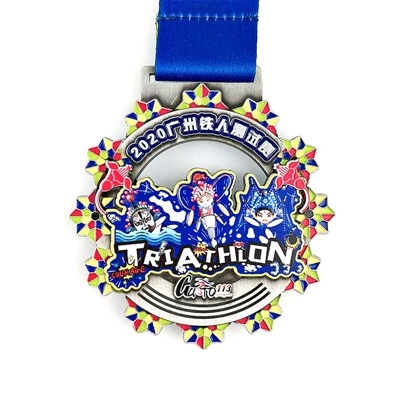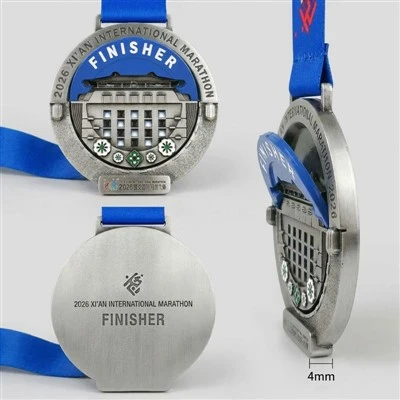
The process begins with the design phase. Designers create patterns based on the event name, sport, venue, and organizer requirements, incorporating elements such as the medal's shape, dimensions, text, logo, and thematic motifs. Once the design is finalized, renderings or 3D models are produced to visualize the medal's ultimate appearance.
Next comes the mold-making stage. Molds are fabricated according to the medal's material and production method. Common metal medals-made from materials like zinc alloy, copper, or iron-typically utilize die-casting or stamping processes to shape the raw metal. If the design features complex elements like 3D relief or cutouts, the molds undergo precision machining to ensure crisp, clear details.
After the medal is formed, it undergoes surface treatment and detailed finishing. This stage involves processes such as grinding, polishing, electroplating, spray painting, baking enamel, color filling, and laser engraving. These treatments create various finishes-such as gold, silver, or antique bronze-while enhancing surface luster and durability, making the text and patterns stand out.
The finished medals are fitted with lanyards and accessories, then inspected for defects such as scratches, color inconsistencies, or deformation. Once quality is verified, they are individually packaged for transport and presentation. For large-scale events or custom orders, personalized touches like serial numbering or custom engraving are added according to specifications.
Manufacturing sports medals is more than just a metalworking process; it is a blend of artistic design and manufacturing technology. By combining diverse materials, techniques, and design concepts, the result is a commemorative medal that embodies honor and preserves the memory of the competition.