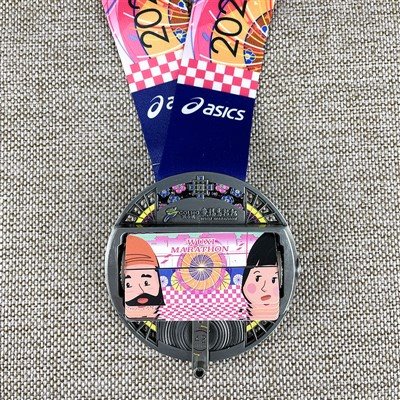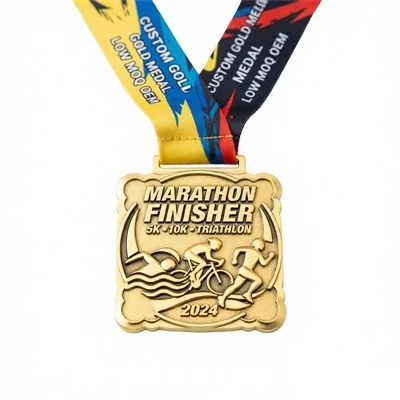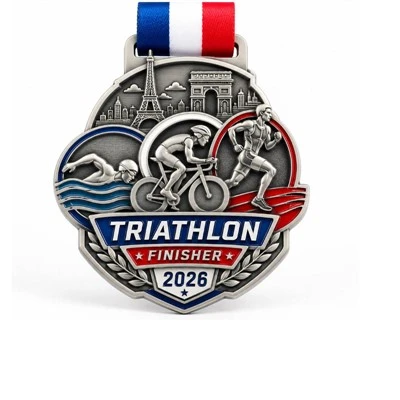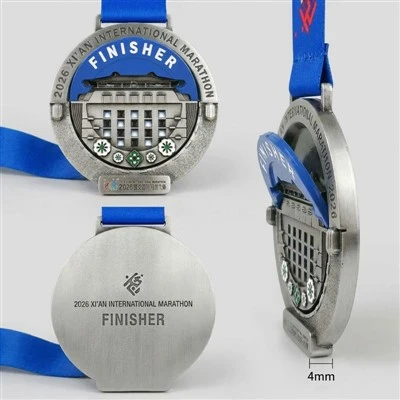
The technical specifications of sports medals primarily encompass dimensions, thickness, weight, material, color, and surface finish. Medal diameters are typically determined by the scale of the event and design requirements, with common sizes ranging from approximately 50mm to 80mm. Larger medals offer a more striking visual impact, whereas smaller or medium-sized medals are more convenient for athletes to wear and keep.
Adjustments to a medal's specifications are often made based on its material and shape; common thicknesses range from about 2mm to 5mm. Thickness is usually increased if the design features intricate patterns or requires a deep relief effect. An appropriate thickness ensures the medal's structural integrity while also providing a satisfying, substantial feel when held.
Weight is another key parameter in medal design. Medals of identical dimensions can vary in final weight depending on the materials used. Since materials such as zinc alloy, iron, copper, and stainless steel have different densities, weight cannot be determined solely by size. Generally, event medals must balance wearing comfort with a premium metallic feel; the weight should be neither too light nor too heavy.
There are no universally fixed standards for the specific parameters of sports medals; they are usually customized to meet the needs of the event. Designers must consider factors such as the intended use, production quantity, budget, and method of wearing, while also determining the material, dimensions, thickness, weight, and surface finishing techniques. Only when these parameters are harmoniously balanced can the finished medal successfully combine aesthetic appeal, high quality, and a positive user experience.