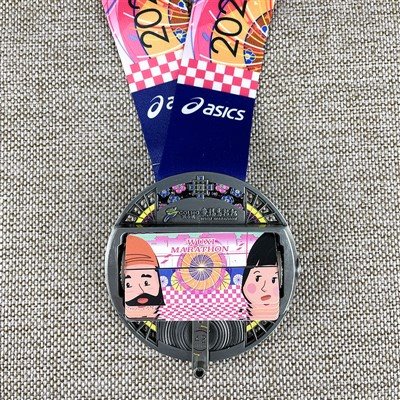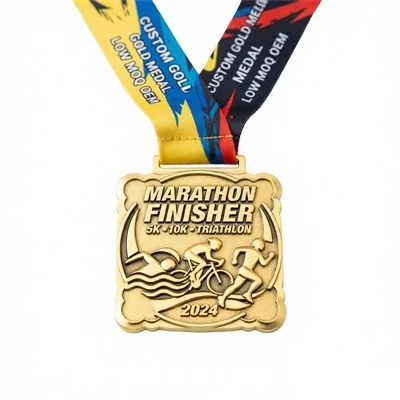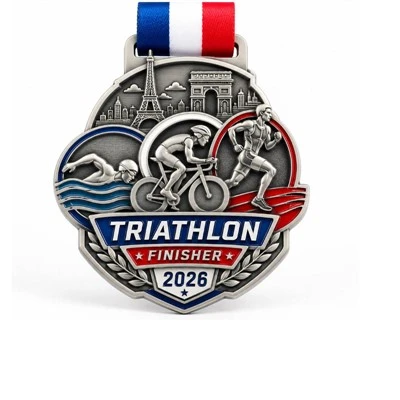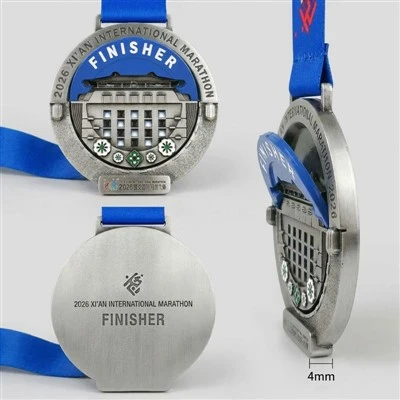
The materials used to manufacture event medals directly influence their visual appeal, weight and tactile quality, and durability. As the demand for custom medals grows, the variety of available materials has expanded; different materials can be paired with various manufacturing techniques to create products that align with the event's theme and budget.
Zinc alloy is currently one of the most widely used materials for event medals. It offers excellent fluidity and malleability, making it ideal for creating complex three-dimensional shapes and intricate relief patterns. Through die-casting, zinc alloy medals can capture rich detail; when combined with surface treatments like electroplating or enamel painting, they can achieve a range of finishes, such as gold, silver, and antique bronze.
Iron is another common choice for event medals. Known for its high hardness and moderate cost, iron is well-suited for large-scale events. After undergoing processes such as stamping, electroplating, or spray coating, iron medals can achieve impressive visual results, making them popular for school sports meets and corporate events.
Copper is often selected for high-quality medals due to its strong metallic character and collectible value. With its naturally stable color, copper can be treated with techniques like engraving, polishing, and antiquing to create a dignified, impressive look-ideal for commemorative events or awards intended for long-term preservation.
Stainless steel is also increasingly used in medal production, valued for its corrosion resistance, high strength, and lustrous finish. Stainless steel medals offer a clean, modern aesthetic, making them perfect for souvenirs that require a high-tech, minimalist, or premium feel.
Some medals are crafted from materials such as aluminum, crystal, acrylic, or wood. Aluminum is lightweight, making it suitable for mass production; crystal and acrylic offer high transparency, making them excellent for display-oriented awards; and wood offers a natural, eco-friendly appeal, making it a great choice for unique events or themed occasions.
The choice of material for event medals typically depends on the event's positioning, budget, design specifications, and preservation requirements. Combinations of materials are also common-such as a metal body paired with crystal accents, a wooden base, or special decorative elements-to enhance the medal's overall visual impact.
There is no single standard for medal materials; each material possesses its own unique characteristics. Only by carefully selecting materials and employing professional craftsmanship can high-quality medals be created that align with the event's theme while also possessing commemorative and collectible value.