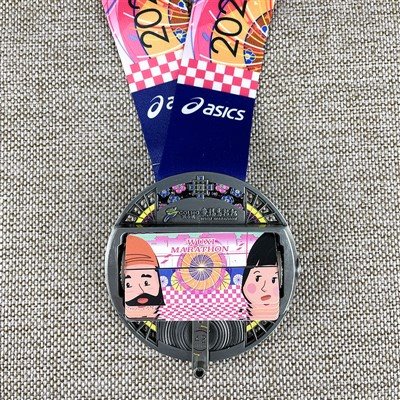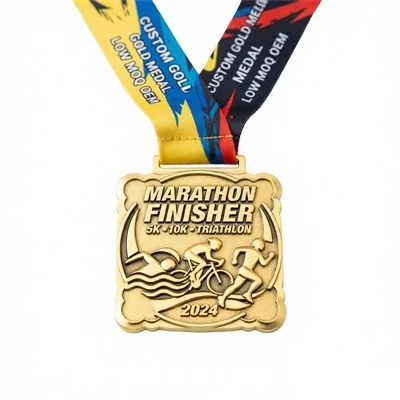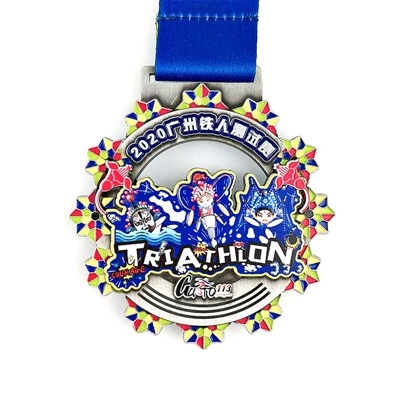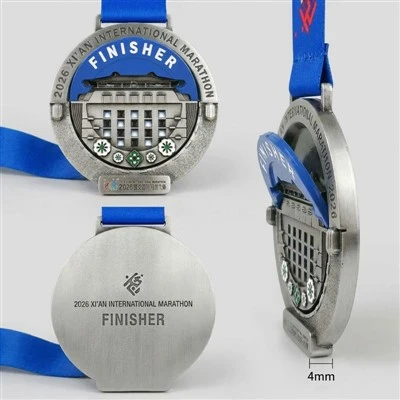
There is no single, fixed standard for the shape of sports medals; the design is typically determined by the event's theme, the nature of the sport, and the overall aesthetic concept. Circular medals are the most common choice; this classic shape conveys a sense of formality and is widely used in school sports days, athletic competitions, and major sporting events.
Beyond the circle, geometric shapes such as squares, ovals, pentagons, and hexagons are frequently employed in medal design. These clean, geometric forms pair well with modern event logos and typography. Designers can also enhance the medal's visual depth and three-dimensionality through techniques like chamfering, cutouts, or multi-layered structures.
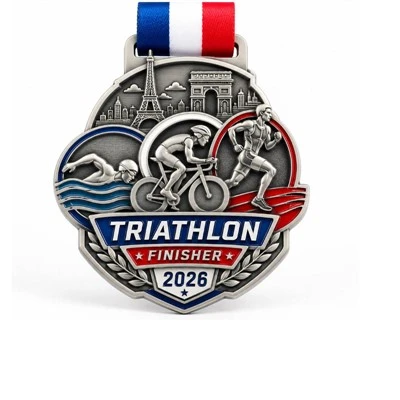
Some medals feature shapes inspired by the specific sport involved. For instance, a soccer tournament medal might incorporate soccer-related elements; a swimming competition medal could feature wave patterns or lane markers; and a marathon medal might include imagery of runners, roads, or city landmarks. Such designs create a tangible link between the medal and the event itself, making a stronger impression on participants.
Contemporary medal design increasingly emphasizes personalization. Some events opt for unique, custom-shaped medals-often defined by silhouettes of figures, animal forms, event mascots, or architectural landmarks. While these custom shapes involve more complex manufacturing processes, they offer high distinctiveness, making them ideal for major events, themed occasions, and commemorative competitions.
Practical considerations regarding wearability and manufacturing must also be taken into account. Edges should not be overly sharp, and the overall size and weight must be suitable for hanging around the neck. Furthermore, the shape must provide adequate space to display text, logos, and graphic elements. Ultimately, a successful sports medal design balances visual appeal with practicality, manufacturing feasibility, and thematic relevance.