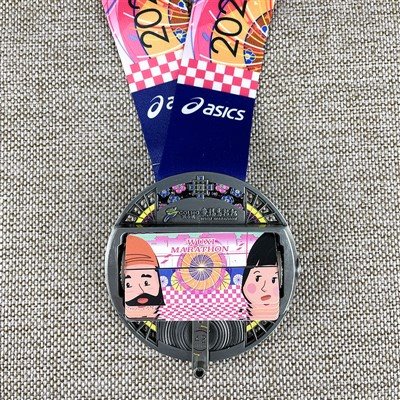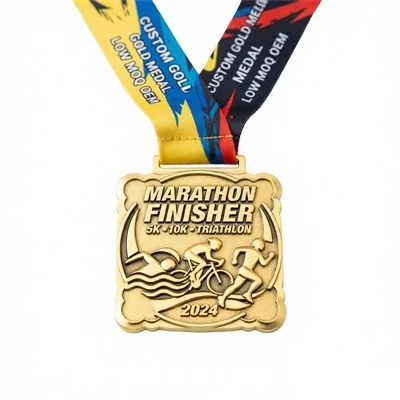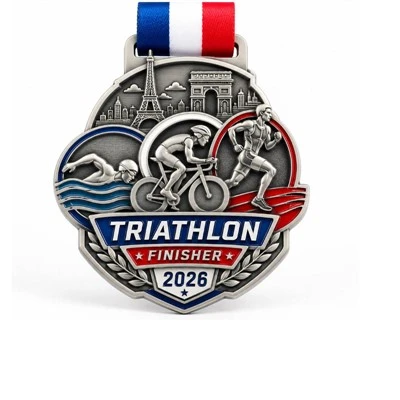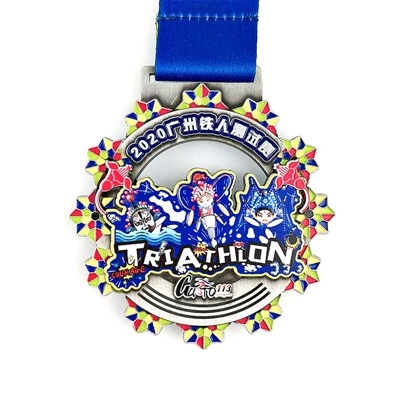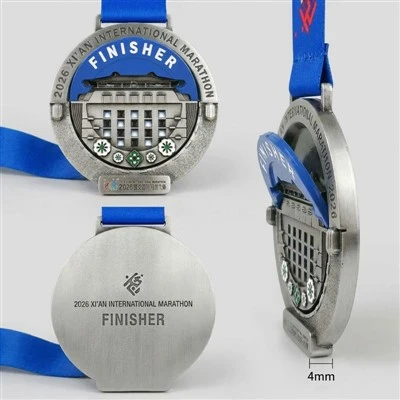
First, regarding design intricacy, event medals must clearly convey a specific theme. Designers typically develop concepts based on the event name, sport, venue, and cultural characteristics, harmoniously integrating elements such as logos, athletic imagery, and text. Excellent design ensures balanced proportions and fluid lines, effectively presenting a wealth of information within the medal's limited surface area.
Second, regarding the precision of mold making, the quality of the medal depends heavily on mold accuracy. High-precision molds can faithfully reproduce complex relief layers, three-dimensional structures, and minute textures, resulting in sharper surface patterns. Irregularly shaped, openwork, or multi-layered medals demand even higher machining precision to ensure dimensional and structural accuracy.
In terms of pattern and text presentation, the level of detail is primarily reflected in the fidelity of reproduction. Elements such as the event name, year, award details, and decorative textures must remain clear and intact. Techniques like laser engraving and precision die-casting enhance the sharpness of text edges, ensuring that even the finest details are visually striking.
Furthermore, attention to detail extends to the medal's structure and assembly. Factors such as the precise placement of the lanyard hole, smooth edges, uniform thickness, and secure attachment of fittings all influence the user experience. Medals crafted with meticulous attention to detail are not only more aesthetically pleasing but also better suited for long-term preservation.
From a production quality control perspective, the precision of event medals is ensured through multiple stages, including design review, mold inspection, manufacturing, surface quality checks, and random sampling of finished products. Rigorous quality management minimizes errors during mass production, ensuring a high level of consistency across every medal.