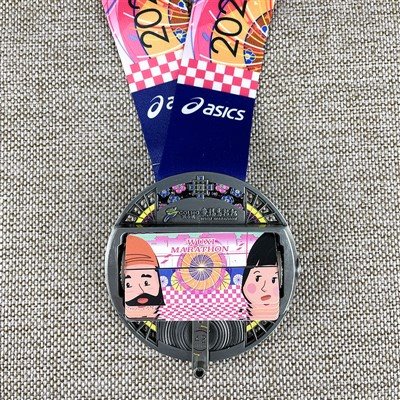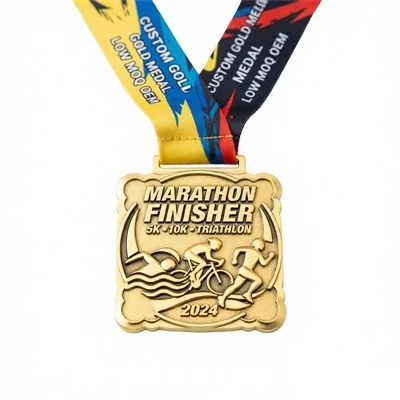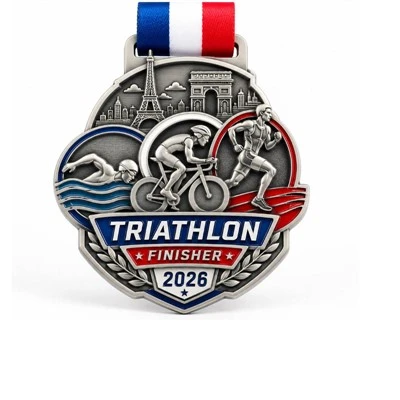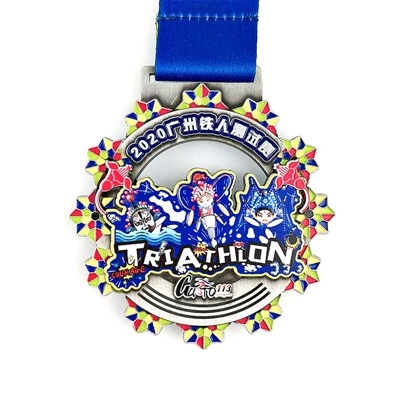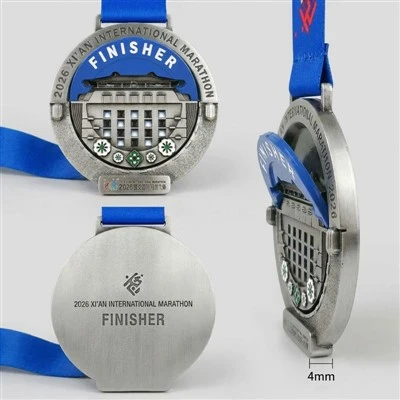
The specifications for event medals are typically determined by the type of competition, the scale of the event, and design requirements; key factors include dimensions, thickness, weight, material, shape, and accessories. Requirements vary across different events, necessitating a balance between visual appeal, wearer comfort, and manufacturing feasibility.
Regarding dimensions, common diameters for event medals range from 50mm to 80mm, with the 60mm to 70mm range being the most widely used. Large-scale or commemorative events may opt for larger medals to enhance visual impact, whereas campus activities or corporate competitions might choose more moderate sizes to ensure ease of wearing for participants.
Thickness is a crucial factor influencing the medal's tactile quality and "heft." Standard medals usually range from 2mm to 5mm in thickness, though this may increase if the design incorporates 3D relief, dual-layer structures, or complex shapes. An appropriate thickness enhances the medal's three-dimensional effect while ensuring structural stability.
Weight varies depending on the material and dimensions. Materials such as zinc alloy, copper, and stainless steel have different densities, resulting in weight differences even among medals of the same size. Generally, the design must strike a balance between a premium metallic feel and wearer comfort-avoiding weights that are too light (compromising quality perception) or too heavy (negatively affecting the user experience).
In terms of shape, medals are not limited to traditional circular designs; they can also be square, shield-shaped, oval, or feature custom shapes tailored to specific themes. Designers often incorporate elements related to the event theme-such as sports motifs, local landmarks, or brand logos-to enhance the medal's distinctiveness and commemorative value.
Accessory specifications also require careful coordination. Common accessories include lanyards, connectors, and presentation boxes. Lanyard width, color, and length are typically designed to complement the medal's size and usage requirements, often incorporating event names or logos to create a cohesive overall look.
There is no single, rigid standard for medal specifications; instead, they are customized based on the event's positioning, budget, design concept, and practical needs. A well-considered design ensures an optimal balance between aesthetics, quality, and functionality.