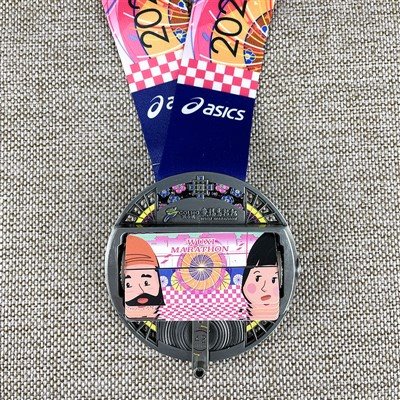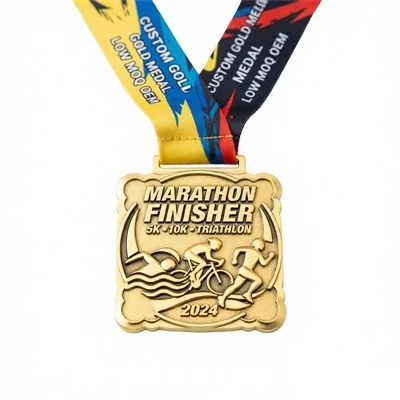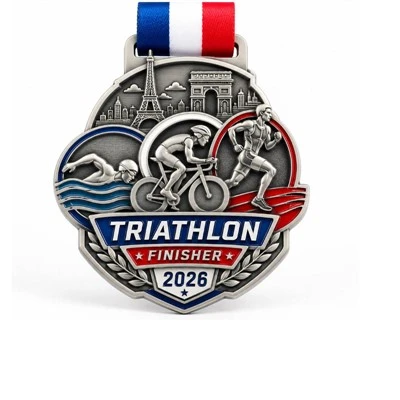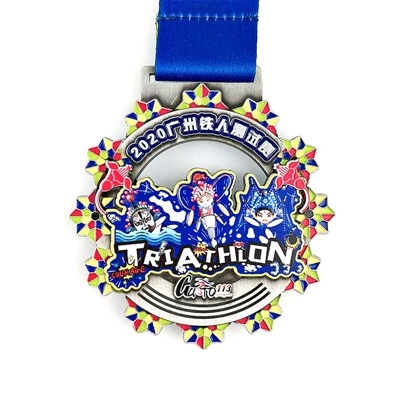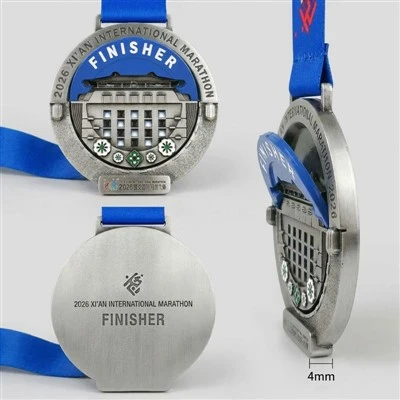
As a key symbol of honor in sporting events, a medal is composed of several distinct parts. Each component influences not only the medal's visual appeal but also the experience of wearing it, its commemorative value, and the overall presentation of the event's image. Generally, a medal consists of the main body, the lanyard, the graphic and textual elements, the surface finish, and the accompanying packaging.
The main body is the core of the medal, serving to showcase the event's theme and embody the honor it represents. It is typically crafted from metals such as zinc alloy, iron, copper, or stainless steel, with its basic structure formed through processes like die-casting or stamping. Factors such as size, thickness, weight, and shape directly influence the medal's tactile quality and how it looks when worn.
The graphics and text on the front and back are crucial for conveying event information. The front usually features the event logo, the competition name, thematic imagery, or sporting motifs to highlight the event's unique character; the back often displays the year, event category, award details, or commemorative text, serving as a record of the occasion.
The lanyard is another indispensable component, serving to hold the medal and allow athletes to wear it. Its material, color, and pattern are usually customized to align with the event's theme-incorporating elements like the event logo, slogans, or branding-to ensure a cohesive look with the medal itself.
Accompanying packaging is also a vital part of the medal package. Common options include presentation boxes, velvet pouches, and protective sleeves; these not only prevent damage during transport but also enhance the sense of ceremony during the awards presentation. For major events, custom packaging can further strengthen the event's brand identity.