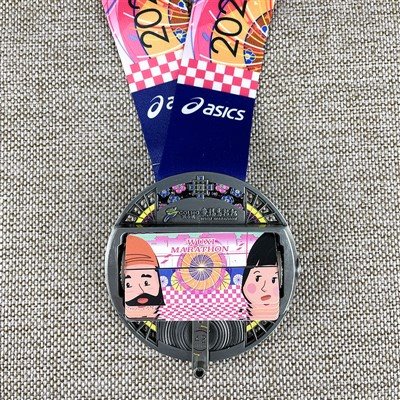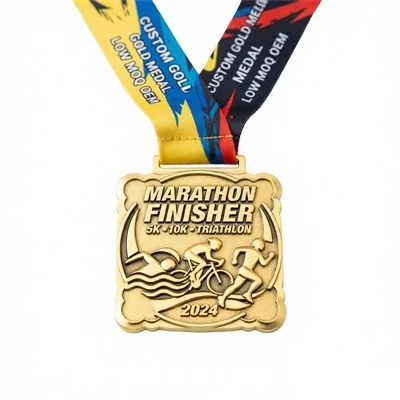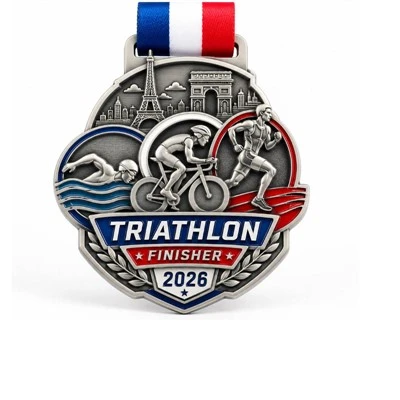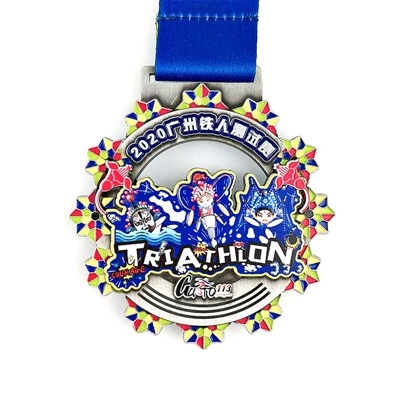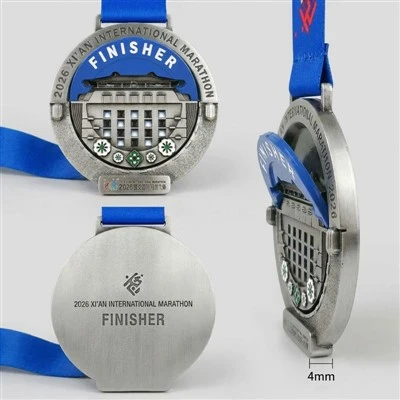
First, consider the material of the medal. Common materials include zinc alloy, iron, stainless steel, copper, and aluminum. Zinc alloy offers great versatility in production, making it suitable for most custom requirements; iron medals are cost-effective, making them ideal for large-scale, standard events; while stainless steel and copper provide a more premium feel, making them perfect for prestigious competitions or commemorative occasions. Your choice should be based on your budget and the desired quality of the medal.
Next, consider the design. A high-quality sports medal should not only symbolize the honor of the competition but also align with the event's theme. Designs can incorporate elements such as the specific sport, the venue, the event logo, and unique stylistic features. Furthermore, the shape, size, color, and surface finish all influence the final look; techniques such as embossing, electroplating, enamel filling, and cut-outs can significantly enhance the medal's visual appeal.
Size and weight are also important factors to consider. A medal that is too small may compromise the visibility of the design and text, while one that is too large might be uncomfortable to wear. Regarding weight, the choice should be appropriate for the intended recipients; the medal should have a substantial, high-quality feel without being so heavy that it causes inconvenience.
Finally, manufacturing quality and the service provided by the manufacturer are key considerations. Professional manufacturers typically offer comprehensive services, including design, prototyping, production, quality control, and packaging. Before finalizing an order, you should review samples to ensure the craftsmanship meets your standards and confirm delivery schedules and after-sales support to avoid disrupting event planning.